The Goal of UltraFit Fitness

The goal of UltraFit Fitness & Nutrition is to make you a better athlete and to get you into better health. Please leave a question or comment on this page, and I will be glad to answer them for you!

Sunday, August 24, 2014

EPO, How does it work?

Ever since the announcement of Lance Armstrong about his use of illegal training/racing methods, people have been interested in the topic.  One of the main strategies used by elite athletes who want to cheat, use a hormone known as EPO (Erythropoietin).


What is EPO?

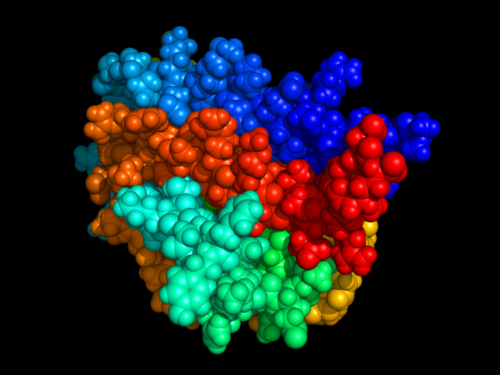
EPO is a hormone that stimulates the production of red blood cells and hemoglobin to increase the amount of oxygen transfer in the tissues.  EPO goes through the kidneys for processing, which is why it is often used by people suffering from chronic kidney disease.

Benefits?

Runners world recently posted an article about a study that was accomplished on the effects of EPO that shows the benefits of its use to athletes (Hutchinson, 2014).  The bottom line of the study is that time to exhaustion is benefited by 54% after 4 weeks of use!  It is a very powerful drug, but does that mean you should use it?  Of course, if you race in any WADA monitored racing such as Ironman, and some Ultra-racing events, then they will be testing for this drug.  Bottom line-- DON'T CHEAT!  Be Ethical in your racing and training.  Unfortunately, for you, it makes you wonder.. is the person next to you or the person who just rode past you doing something illegal?  There is more to life than winning, and what are the side effect?

Side Effects?

There are many side effects that come with the use of EPO.  According to WebMD, side effects include high blood pressure, heart failure, heart attack, and stroke.  The last three is caused be an increase in hemoglobin in the body.  It's just not worth it!


References

Hutchinson, A.  (2014, August 21).  How Does EPO Work?  Runners World. Retrieved from http://www.runnersworld.com/general-interest/how-does-epo-work

WebMd.  (2014).  Erythropoietin Stimulating Agent.  Retrieved from http://www.webmd.com/a-to-z-guides/erythropoietin-stimulators.
Thursday, April 10, 2014

80 Diets Viewed Around the World

Ever wondered what Diet's look like from around the world?  Check out this interesting view from a photojournalist on Huffington Post's Website:

http://www.huffingtonpost.com/2014/03/28/what-i-eat-around-the-world-in-80-diets_n_5043024.html

Thursday, July 12, 2012

Sleep: Are you getting enough?


Now that we are in the prime of race season, many people are sacrificing sleep for training.  This is especially true for those who are training for Ironman/Half-Ironman events, due to the need to train in three separate events.  But is all this sacrificing of sleep, benefiting your performance on race day?  Anyone who has trained when tired, may have looked like Homer Simpson in the picture above during their workout!

According to a recent study by Wood (2012), sleep deprivation affects immune system much like the affects of stress.  In the study, they analyzed blood samples of individuals who resting for a strict 8 hours of sleep, and then compared blood samples from the same individuals after 29 hours of being awake.  Not surprising that after 29 hours of wakefulness, the body reacted immediately to the stresses of being awake for so long.  So how do we use this information to improve performance?  Try these recommendations:

1.)  When having to choose between sleep, or getting in your required amount of training for the day, choose sleep.

2.)  Be careful of using stimulants such as caffeine, sugar, alcohol, medications, and looking at blue light sources such as computers and televisions, close to bed time.

3.)  When travelling, and dealing with time changes, try supplements like magnesium, melatonin, and valerian root to aid in getting to sleep.

4.)  When traveling and staying in hotels, think about bringing ear plugs and a night mask to block noises and light sources.

References

Wood, J.  (2012, July 1).  Sleep Deprivation Affects Immune System Like Physical Stress.  Retrieved from http://psychcentral.com/news/2012/07/01/sleep-deprivation-affects-immune-system-like-physical-stress/40874.html

Friday, January 13, 2012

Goals to the New Year!


I know it has been awhile since I have posted an article, but if you know me personally, than you will know that I have been deployed overseas a lot last year. I wanted to talk a little bit about setting your goals for the new year. First I want to talk about how to set goals in your life, whether its athletic goals, personal goals, or work goals. There is a great acronym than you can used called the SMART method, which each goal should meet. The SMART acronym should look like this:

Specific
Measurable
Achievable
Realistic
Tangible

Each goal you set in your life should meet these requirements. How many times have you gone to a gym at the beginning of the new year and seen the gym packed? How long does that usually last? Normally it lasts days or a couple weeks and then the gym is dead again. That's because because get too ambitious or they just don't set a specific goal and lose interest early on. When setting your goals simply follow the SMART acronym and you will determine goals that will help keep you on track, and then you can modify these goals as you progress and get better or maybe need to re-evaluate.

Finally, how do you setup goals towards a event you have planned? Well that really depends on your past and the base you currently have established. Follow these guidelines and it should help out:

5k to Sprint Triathlon: 12-15 weeks
10k to Olypmic Triathlon: 12-20 weeks
1/2 Marathon to 1/2 Ironman: 12-25 weeks
Marathon to Full Ironman: 12-35 weeks

Again, these time goals are dependent on your previous experience, and a starting tool to get you to plan out your season. Simply take the date of your event and count back to get you a start and end goal. Once you get within 2 weeks of your event, make sure you throttle back and begin your taper so that you don't go into your race over trained. If you have more questions, be sure to ask them in a comment below and I'll get back to you pretty quick. I hope all of you set your goals early and follow through and have a wonderful season this year in 2012!

Friday, October 14, 2011

Intermittent Fasting: Could it be your secret to fat loss?

Intermittent Fasting (IF) has been gaining a lot of press these days as people begin to self experiment will good results. Unfortunately, the scientific studies are slim-and-few between, but this is mostly because companies do not want to spend money to research the benefits of not eating. The studies that have been accomplished are mostly tested on animals, such as rats, and even though it can give a hint at what to expect, these experiments don’t always tell the truth to how the human body will respond. However, piecing together the evidence, fitness professionals can actually make a good determination on the question of, “Is IF worth all the buzz?”. Well, unfortunately, this is a question that only the individual can answer for themselves after testing themselves with IF. The overall consensus is that IF can be VERY successful if done properly.

Here is what the research has shown:

(IF) HAS BEEN SHOWN TO REDUCE:
• blood lipids (including decreased triglycerides and LDL cholesterol)
• blood pressure (perhaps through changes in sympathetic/parasympathetic activity)
• markers of inflammation (including CRP, IL-6, TNF, BDNF, and more)
• oxidative stress (using markers of protein, lipid, and DNA damage)
• risk of cancer (through a host of proposed mechanisms; we’ll save them for another review)

(IF) HAS BEEN SHOWN TO INCREASED:
• cellular turnover and repair (called autophagocytosis)
• fat burning (increase in fatty acid oxidation later in the fast)
• growth hormone release later in the fast (hormonally mediated)
• metabolic rate later in the fast (stimulated by epinephrine and norepinephrine release)

(IF) HAS BEEN SHOWN TO IMPROVE:
• appetite control (perhaps through changes in PPY and ghrelin)
• blood sugar control (by lowering blood glucose and increasing insulin sensitivity)
• cardiovascular function (by offering protection against ischemic injury to the heart)
• effectiveness of chemotherapy (by allowing for higher doses more frequently)
• neurogenesis and neuronal plasticity (by offering protection against neurotoxins)

The funny thing about this topic is that you actually following this principle every day, without even thinking about it. When you go to bed, after eating dinner between 5-8pm, and then wake up the next morning and eat breakfast, normally between 5-8am, you’ve actually just fasted for 12 hours. So what’s different with IF? Not really a whole lot, but unless you are exercising during the 12 hour window, you may not be seeing much results. That’s why attempting a 24 hour fast, may help get your body’s response to start fat burning (when added to exercise) somewhere between 16-20 hours into your fast. What can hurt you is doing this too much. This practice should only be attempted once a week, or once a month, or once a year. Never do IF more than once a week, otherwise you risk crashing your metabolism and then you’ll never see results. Also be sure to be drinking plenty of water throughout your fast, and adding a amino acid supplement and/or a greens supplement throughout the day can provide addition benefits while fighting hunger pain.

So give it a try, and see how you handle. Nothing says you absolutely NEED to make it 24 hours, if you can only handle 18 hours, then shoot for that but you won’t know until you try. I hope this helps you meet your goals in training, and if you have further questions, please leave them below in the comments section and I’ll get you a reply!

For more information on IF, check out: http://www.precisionnutrition.com/intermittent-fasting

Tuesday, August 16, 2011

Leadville Report: Day 1

Arrived in Leadville, CO yesterday evening after an 11 hour drive from Las Vegas, NV. This morning I went for a 13 mile training run around the Mineral Belt Bike Trail and wanted to post a video for you to see the sights and see some race reports before the big day. Slowly runner's from across the world are arriving in town to get ready for the race on 20-21 August. I met two guys this morning from the UK who are here for their first attempt at finishing the Leadville Trail 100 Ultramarathon. Weather looks to be perfect for the race, current reports are predicting 30% chance of rain on Friday and mostly cloudy Sat-Sun with temps between 72-40 degs. Stay tuned for video's and pictures that only UltraFit can bring you!


 Photo 1:  Leadville, CO is the highest city in the US, where the people live at 10,200 ft

 Photo 2:  The city of Leadville with Turquoise Lake in the background, the race starts in the center of town and follows the lake on the north side then heads south to the turn around point.

Photo 3:  Leadville is known for it's history in coal mining, 
in this picture you see the remnants of an old coal shaft